
10 Reformer Sessions for £99 at Soho. Code: PILATES10
You’re Doing HIIT Wrong: Here’s the Real Reason You’re Not Getting Fitter
At our gym, we love a good HIIT session. The sweat, the buzz, the feeling that you’ve given it everything. However, we also see something surprising every week. Many people are doing HIIT regularly, yet they feel stuck. They’re tired, sore, and frustrated. Most importantly, they’re not getting fitter.
So, let’s clear the air. HIIT isn’t the problem. Instead, it’s how HIIT is being used.
First Things First: What HIIT is Actually For
HIIT stands for High Intensity Interval Training. In simple terms, it means short bursts of hard work followed by short rests. The keyword here is intensity.
However, HIIT was never designed to be done every day. In fact, it was created to push your limits occasionally, not constantly. Therefore, if every workout you do feels like a battle, something is off.
In other words, HIIT is meant to be a spice, not the whole meal.
The Biggest Mistake We See
Most people think HIIT equals faster results. So, naturally, they do more of it. More sessions. More rounds. Less rest. Unfortunately, that’s where progress starts to slow down.
When you do HIIT too often, your body doesn’t recover properly. As a result, instead of getting fitter, you simply get more tired. Then, your performance drops. Your motivation dips. Eventually, you feel like fitness just “isn’t working”.
However, the truth is simpler. Your body hasn’t had time to adapt.
Why You Feel Exhausted But Not Fitter
HIIT is stressful on the body. That stress can be good. But only if it’s balanced.
If you’re doing HIIT four, five, or even six times a week, your nervous system is constantly under pressure. Therefore, your body stays in survival mode. It focuses on getting through the workout, not improving from it.
As a result:
- Your heart rate stays high even during rest
- Strength stops improving
- Your endurance plateaus
- Sleep may suffer
So, although you’re working hard, you’re not moving forward.
Another Common Issue: It’s Not Really “High Intensity”
Here’s the twist. Many HIIT workouts aren’t intense enough to be HIIT, yet they’re too intense to be steady training.
For example, going “sort of hard” for 45 minutes isn’t HIIT. Instead, it’s just tiring cardio. Therefore, you don’t get the full benefits of either style of training.
True HIIT should feel sharp and focused. Short work periods. Clear rest. Done with purpose. Then finished.
If you can chat through most of the session, it’s not HIIT. On the other hand, if you’re crawling out of the gym every day, it’s too much.
So, What Should You Be Doing Instead?
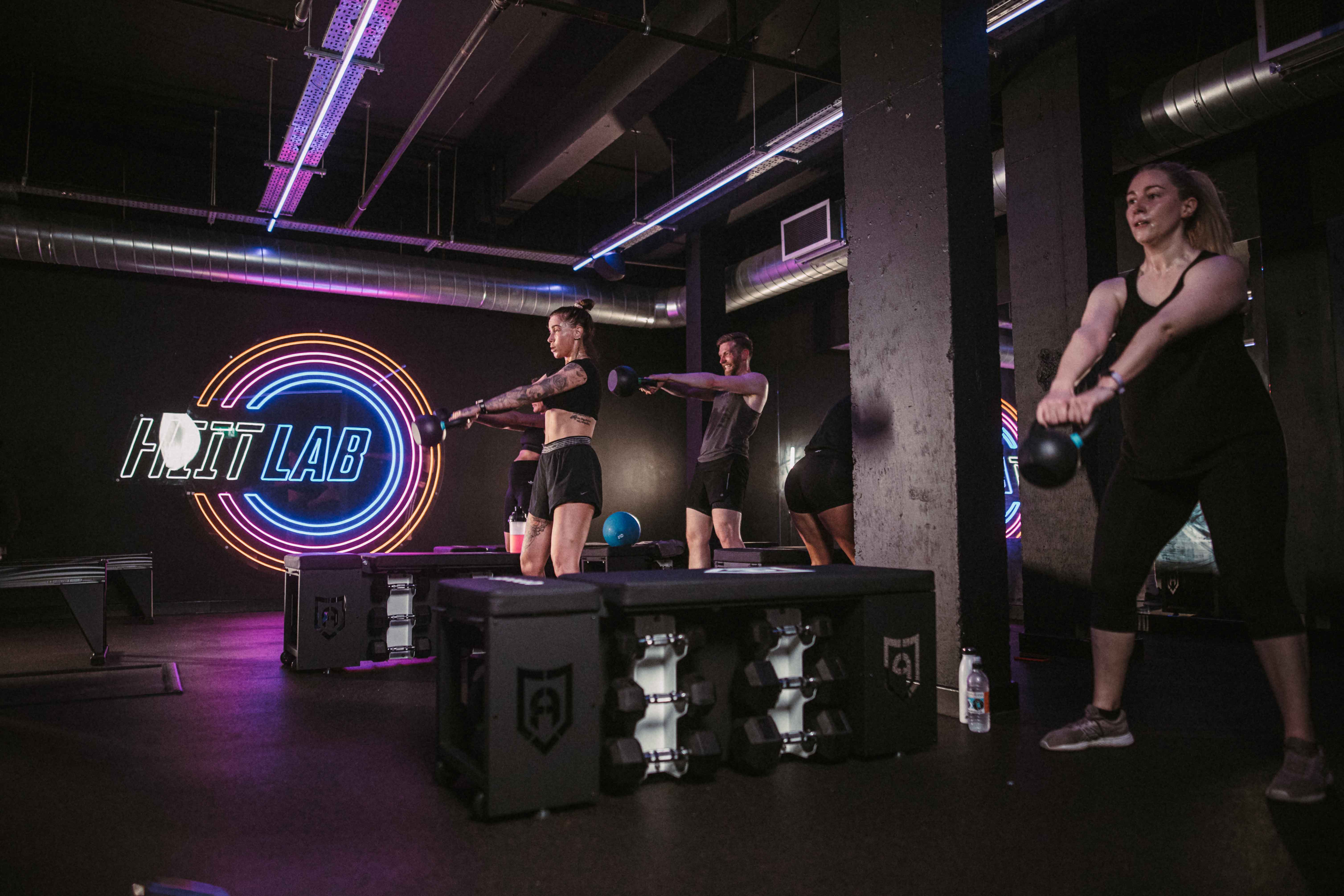
Firstly, limit HIIT to two or three sessions per week. That alone can make a huge difference.
Secondly, balance it with other training styles. For example:
- Strength training to build muscle and resilience
- Steady cardio to improve heart health
- Mobility or recovery sessions to stay pain-free
As a result, your body gets stronger, fitter, and more efficient. Not just more exhausted. We also offer a variety of classes to help you bring variety to your routine.
Why Variety Actually Gets Better Results
Your body loves variety. It adapts quickly when training is balanced.
When you mix HIIT with strength and lower-intensity work, several things happen. Firstly, you recover better. Secondly, your workouts feel more enjoyable. Thirdly, your results become more noticeable.
In addition, you reduce your risk of injury. That means fewer setbacks and more consistency. And consistency, not punishment, is what drives real fitness.
Signs You’re Using HIIT The Right Way
You’ll know your HIIT is working when:
- You feel challenged, but not destroyed
- Your performance improves over time
- You recover well between sessions
- You actually look forward to training
Most importantly, you feel fitter in everyday life. Climbing stairs feels easier. Carrying shopping feels lighter. Your energy lasts longer.
That’s the real goal.
Our Advice From The Gym Floor
We’re big believers in training smart, not just hard. HIIT has its place, and when used properly, it’s powerful. However, it should support your fitness, not drain it.
So, if you feel stuck, don’t quit. Instead, zoom out. Adjust your balance. Give your body room to grow.
After all, fitness isn’t about smashing yourself every session. It’s about building something that lasts.
And if you’re ever unsure where to start, our team is always here to help you train with purpose, not just sweat.